

50 artifacts from different eras and cultures
Put {argument name="count_en" default="50"} artifacts from completely different eras and cultures together in a single image.
提示词库
汇集全球创作者的精选图像、视频与建站提示词。复制任意一条,替换主体或风格,即可用最新模型生成。
15,630 条提示词 · 每日更新 · 完全免费
共 606 条
Put {argument name="count_en" default="50"} artifacts from completely different eras and cultures together in a single image.
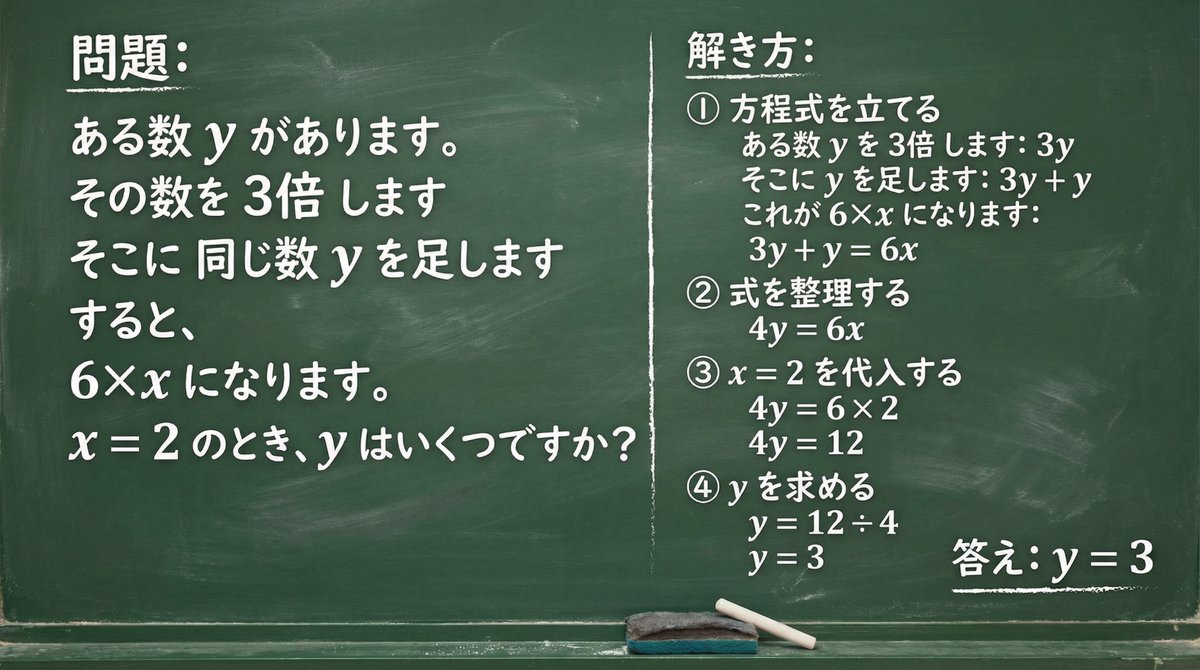
Write the given question on a green board with chalk and solve it. There is a number y. Multiply that number by 3. Add the same number y to it. Then it becomes 6×x. When x = {argument name="value of x" default="2"}, what is y?
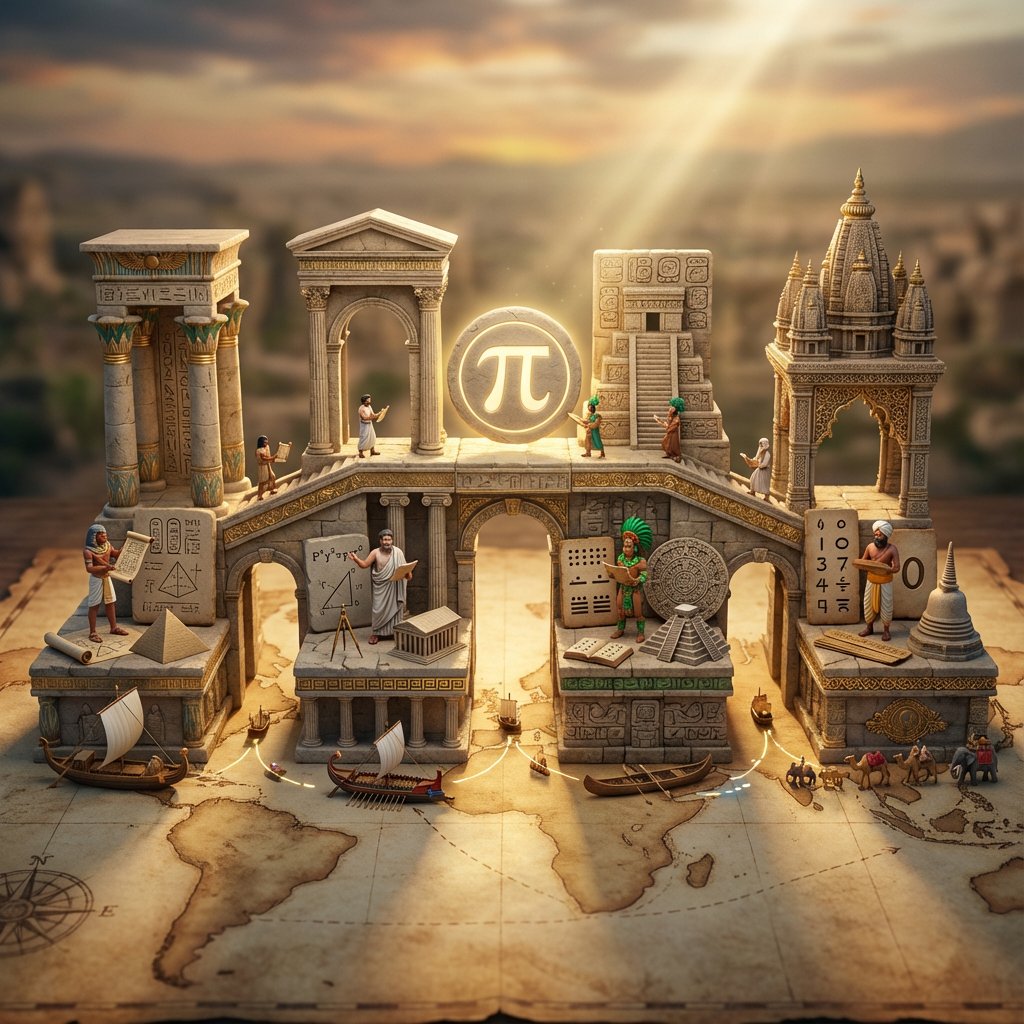
<instruction> Input A is an invention or technology Analyze: how this innovation appeared independently or was transmitted across ancient civilizations (Egyptian, Chinese, Islamic, Mayan, Greek, etc.). Goal: Miniature bridge structure connecting 3-5 civilization "islands." Rules: * Base: ancient world map (aged parchment) as foundation * Bridge structure: ornate multi-level walkway with different architectural styles for each section (columns, arches, pagoda elements) * Each "island" platform: distinct civilization's version of Input A invention (Chinese compass vs Viking sunstone, Mayan zero vs Indian zero, etc.) * Civilization figurines: tiny scholars/inventors from each culture examining each other's versions * Include: trade route markers, tiny ships/caravans between islands, scrolls being passed * Center of bridge: the "universal truth" they all discovered (mathematical formula, physical principle) etched in neutral symbol * Materials: stone textures, gold leaf accents, cultural pattern details * Lighting: mystical golden hour with light ray connecting all islands Output: 1 x image, 16:9 landscape for maximum bridge span visibility, mythological epic photography </instruction>
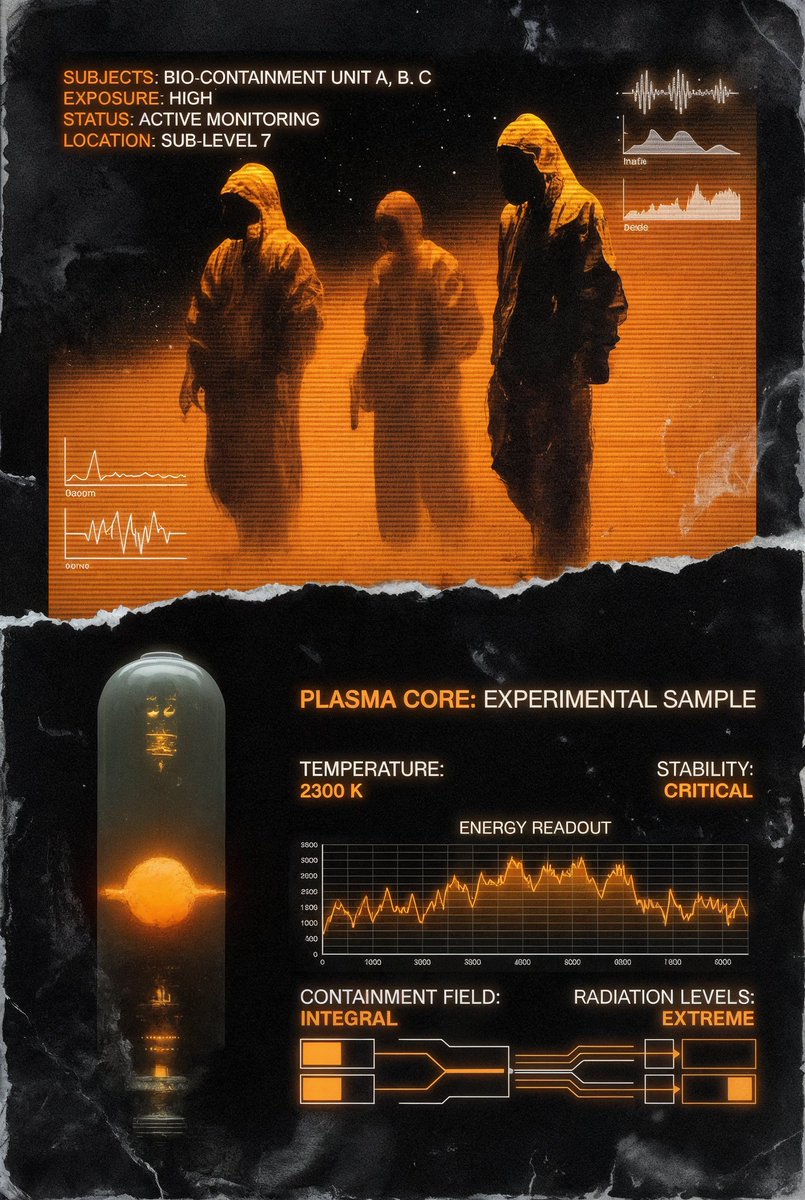
In the same image style, create a minimalist segmented experimental 'plasma core' data sheet using the attached images, with data readings, artistic segmentation.
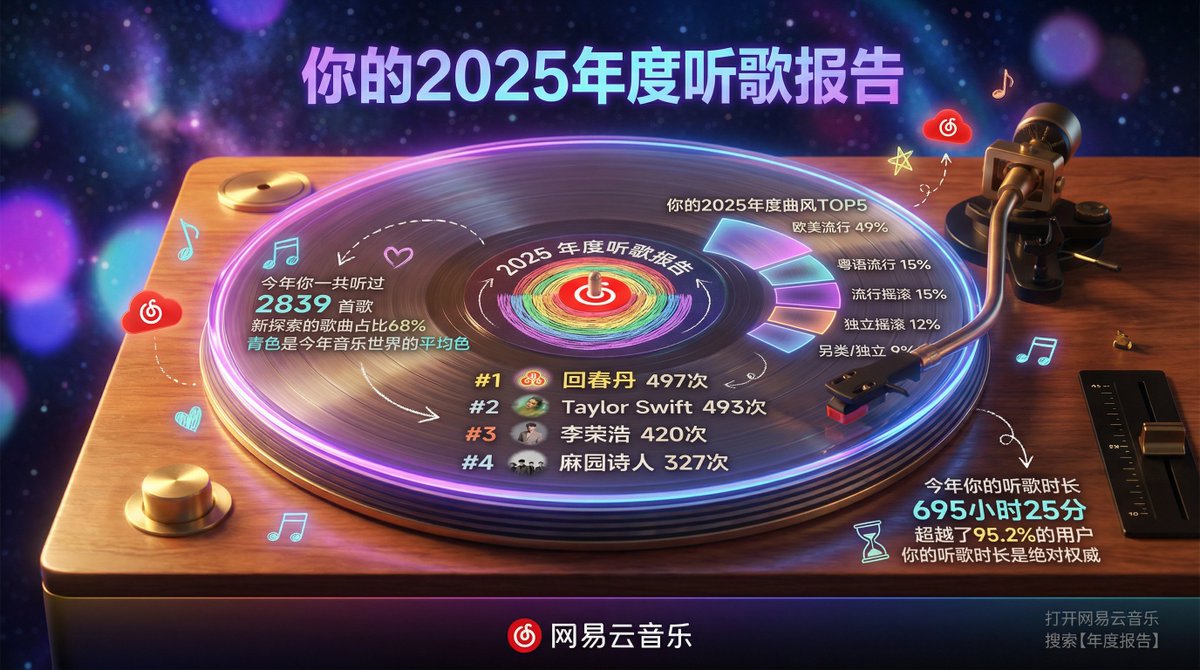
Hyper-realistic professional photography, a high-end transparent acrylic vinyl record placed on a classic turntable, slowly rotating and playing. The overall scene is set on a warm wooden turntable stand, with a dark, dreamy starry sky mixed with gradient neon lights in the background, creating a retro yet modern atmosphere. Subject - Transparent Acrylic Vinyl Record and Turntable: Record Material: Crystal clear transparent acrylic, with realistic reflections, glowing edges, and refraction effects. Classic vinyl groove textures are visible on the surface, but the whole is crystal clear. The record is rotating, with a slight motion blur. Turntable: Retro style wooden or metal platter base, the tonearm gently rests on the record, the stylus touches the grooves, details are realistic, including the spindle and speed adjustment knob. Content Style: Elegant modern typography combined with a slight hand-drawn feel. Text is directly “engraved” or projected onto the transparent record surface, with slightly imperfect lines. Record Center Label Area: Circular label printed with NetEase Cloud Music's red LOGO, surrounded by the words "{argument name="report year" default="2025"} Annual Listening Report." The label rotates with the record. Content Layout (Text and elements cleverly integrated into the record surface and grooves): Top Area (Upper outer edge of the record): Large title: "Your {argument name="report year" default="2025"} Annual Listening Report" using bold modern font, with purple-blue gradient and neon purple edge glow. Center Area - Favorite Artist Ranking (occupying about 40% of the center): Central illustration: Hand-drawn style reinforcement of the center label with the iconic pattern of #1 {argument name="artist 1" default="HuiChunDan"} (rainbow gradient circle), surrounded by small avatar icons of artists like Taylor Swift and Li Ronghao, slightly dynamic with rotation. Avatar icons are sourced from the reference image. Art Style: Simple line art with slight hand-drawn imperfections, full of personality. Colors: Main fill in deep purple and blue tones, white outline, neon purple and orange highlights. Artist ranking text arranged along the record grooves: #1 {argument name="artist 1" default="HuiChunDan"} 497 times, #2 Taylor Swift 493 times, #3 Li Ronghao 420 times, #4 Ma Yuan Shi Ren 327 times (Top 4), elegant glowing font, curved along the groove lines. Surrounding Information Display (Circular layout, text and icons distributed on the outer ring of the record and the turntable panel): Left Side (Left panel of the turntable) - Total Listening Volume and Style: Icons: Music note and heart. “You listened to 2839 songs this year” “New exploration songs accounted for 68%” “Cyan is the average color of the music world this year” Hand-drawn small arrow pointing to the center of the record. Top Right (Space above the record) - Annual Genre TOP 5: Icon: Flowing waveform. “Your {argument name="report year" default="2025"} Annual Genre TOP 5” European/American Pop 49%, Cantonese Pop 15%, Pop Rock 15%, Indie Rock 12%, Alternative/Indie 9% Displayed using percentage circles or sector diagrams surrounding the outer edge of the record, slightly glowing. Bottom (Turntable base panel) - Listening Duration: Icons: Hourglass and play button. “Your listening duration this year is 695 hours and 25 minutes” “Exceeding 95.2% of users” “Your listening duration is the absolute authority” Connecting Elements: Hand-drawn arrows and dashed lines connecting various parts of the turntable to the rotating record. Small Decorative Elements: Scattered music notes, stars, light spots, NetEase Cloud red small clouds, slightly floating with rotation. All text is in Chinese, elegant modern font with a slight handwritten feel. Color Scheme: Baseline: Cream white texture (#F5F5DC) Main Illustration: Deep purple-blue gradient fill, white outline Highlights: Neon purple (#A100FF) and orange used for emphasis and decoration Icons and Charts: Light grey (#B0B0B0) line art Brand Color: NetEase Cloud red (#E60026) used for LOGO and key emphasis Bottom Area (Front edge of the turntable): Dark gradient horizontal bar background Left: NetEase Cloud Music Red LOGO (metallic glow) Center: “NetEase Cloud Music” standard text Right: Small text “Open NetEase Cloud Music Search 【Annual Report】” Environment and Photography: Background: Dark dreamy starry sky with purple-blue neon gradient, extremely heavy blur. Depth of Field: f/1.4 large aperture simulation - background is almost completely abstract. Only soft purple, blue, and pink bokeh light spots are visible, with no discernible shapes. Perspective: Slightly overhead 45-degree frontal view, record and turntable perfectly centered, capturing rotational dynamics. Lighting: Warm side light and professional spotlight creating strong reflections on the acrylic surface, dramatic neon purple glowing edge, subtle highlights captured on the tonearm and stylus. Atmosphere: Nighttime retro dreamy atmosphere, transparent acrylic record glowing while spinning on the turntable, heavy background blur highlighting the main subject. Technical Specifications: 8K ultra-high resolution, cinematic color grading high contrast, realistic acrylic material physics (edge glow, reflection, refraction, slight rotational blur), exquisite modern text details, high-end music photography quality, extreme background bokeh making the record and turntable content the absolute focal point. Key requirement: Background must be extremely blurred (almost abstract bokeh), the central transparent vinyl record must have a realistic sense of rotation, elegant modern text integrated into the record surface, all elements incorporating the user-provided 2025 NetEase Cloud annual summary data, strong overall retro turntable atmosphere.
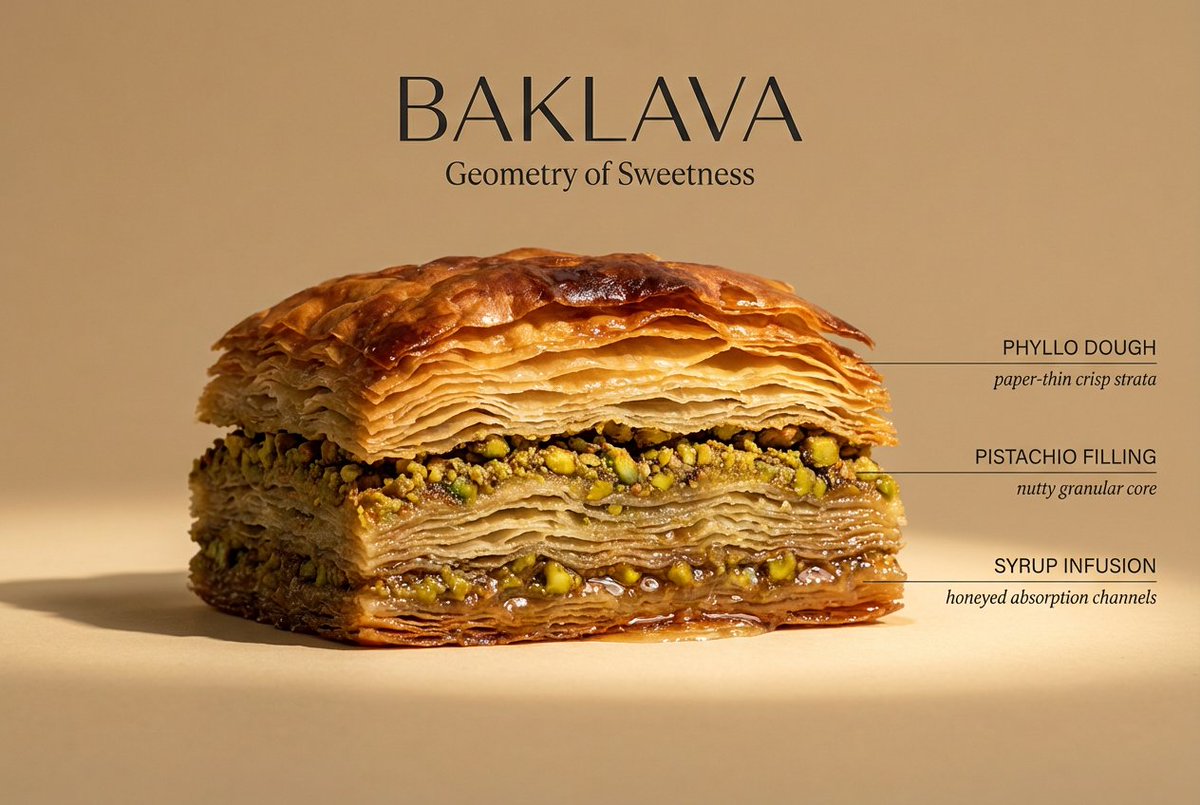
Perfect cinematic cross-section cut through {argument name="dish name" default="[DISH]"}, sliced cleanly down the center revealing every internal layer in full detail. The cut face is facing the camera straight-on, like a geological diagram of flavor. Each visible layer is labeled with a thin horizontal line extending to the right — uppercase sans-serif "{argument name="ingredient name" default="[INGREDIENT NAME]"}" with italic descriptor below. Background: flat matte {argument name="background color" default="[COLOR]"}. Lighting: dramatic side light from left casting long shadows, single warm spotlight on the cut face. Every texture hyperreal — visible moisture, air pockets, char, glaze, and steam. Mood: architectural food photography meets scientific illustration. Dish name "[DISH NAME]" in large elegant type at top. Subtitle: "[TAGLINE]". 4K, tack sharp, Style ref: Wes Anderson symmetry meets Michelin-star kitchen.
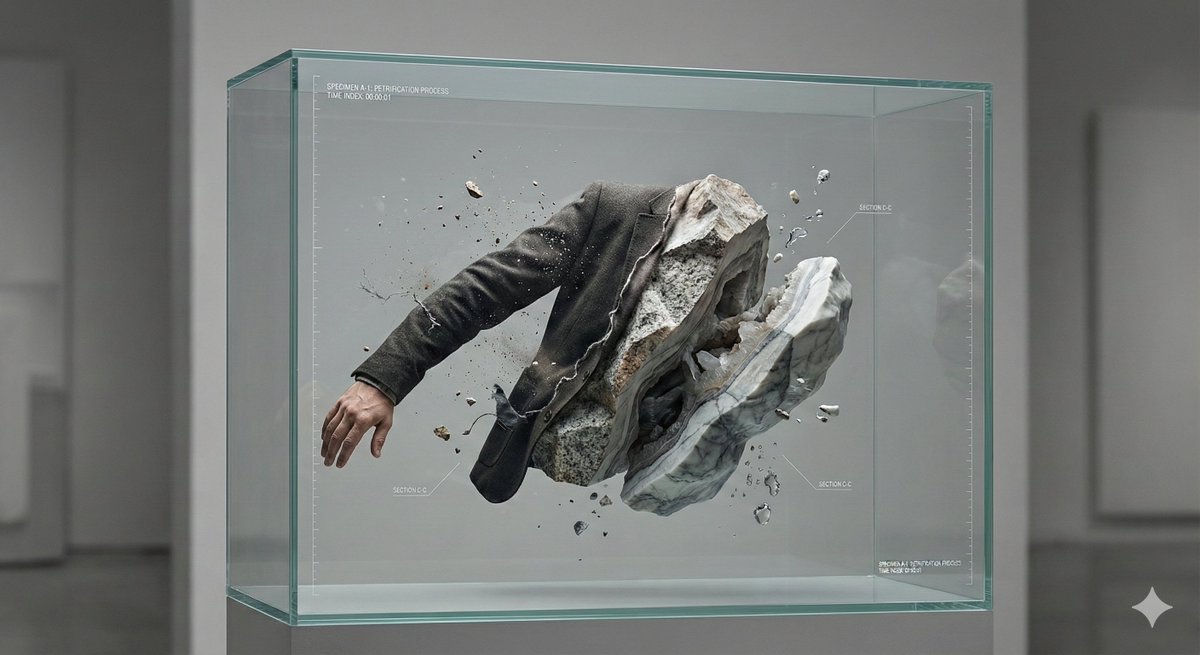
A hyper-detailed, surreal but believable studio scene where an abstract concept is physically contained and made visible. Main structure: A transparent, museum-grade display container (thick glass or acrylic), placed alone in a neutral studio space. Inside the container is a frozen moment in time. Core subject: A human-scale subject (person or symbolic object) partially transformed into another material that contradicts its original nature — for example: {argument name="transformation example" default="skin turning into stone, soft fabric crystallizing, organic elements embedded in mechanical structures"}. The transformation is incomplete, showing a clear boundary between “before” and “after”. Conceptual twist: The interior of the container is treated like a scientific or archival exhibit: – clearly layered composition – visible cross-sections or cutaway logic – subtle measurement marks, labels, or annotation-style details – the feeling that this object is being studied, preserved, or explained Spatial logic: Gravity behaves normally, but time does not — motion is implied yet completely frozen. Small secondary elements ({argument name="secondary elements" default="dust, droplets, fragments, threads, petals, gears, etc."}) are suspended mid-air, reinforcing the sense of paused time. Lighting: Soft, directional studio lighting with strong material definition. Light emphasizes texture differences (smooth vs rough, organic vs artificial). No dramatic colors — restrained, high-end, museum-like color palette. Camera & composition: Straight-on or slightly elevated perspective. Centered composition, calm framing. Depth comes from internal layers, not camera tricks. Photorealistic, macro-level detail, cinematic clarity. Mood: Quiet, unsettling, contemplative. The image should feel intelligent rather than emotional, poetic rather than decorative. Style constraints: No fantasy clichés. No obvious sci-fi UI. No decorative surrealism. Everything should feel physically possible, even if conceptually strange. Ultra high resolution, extremely sharp details, realistic materials, controlled studio background, premium art photography aesthetic.
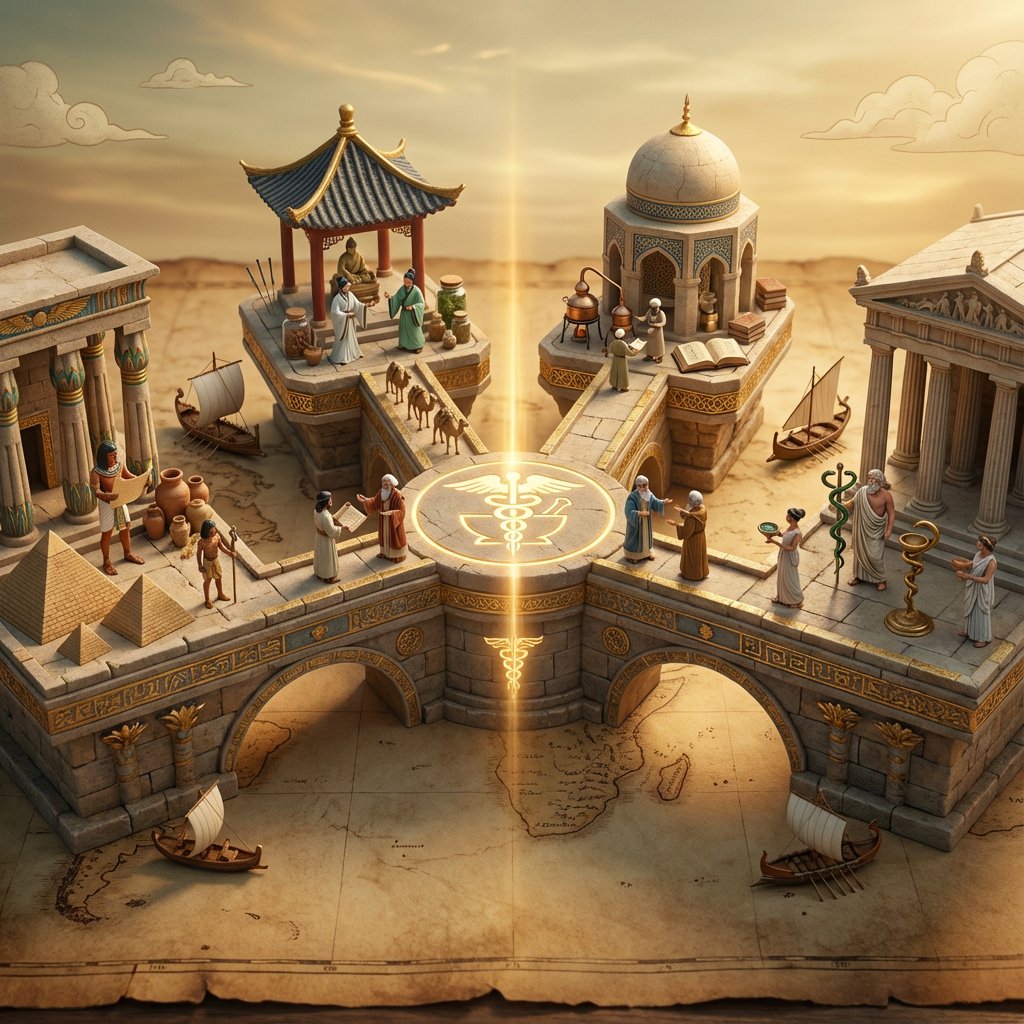
Input A is an invention or technology Analyze: how this innovation appeared independently or was transmitted across ancient civilizations (Egyptian, Chinese, Islamic, Mayan, Greek, etc.). Goal: Miniature bridge structure connecting 3-5 civilization "islands." Rules: * Base: ancient world map (aged parchment) as foundation * Bridge structure: ornate multi-level walkway with different architectural styles for each section (columns, arches, pagoda elements) * Each "island" platform: distinct civilization's version of {argument name="invention" default="Input A invention"} (Chinese compass vs Viking sunstone, Mayan zero vs Indian zero, etc.) * Civilization figurines: tiny scholars/inventors from each culture examining each other's versions * Include: trade route markers, tiny ships/caravans between islands, scrolls being passed * Center of bridge: the "universal truth" they all discovered (mathematical formula, physical principle) etched in neutral symbol * Materials: stone textures, gold leaf accents, cultural pattern details * Lighting: mystical golden hour with light ray connecting all islands Output: 1 x image, 16:9 landscape for maximum bridge span visibility, mythological epic photography
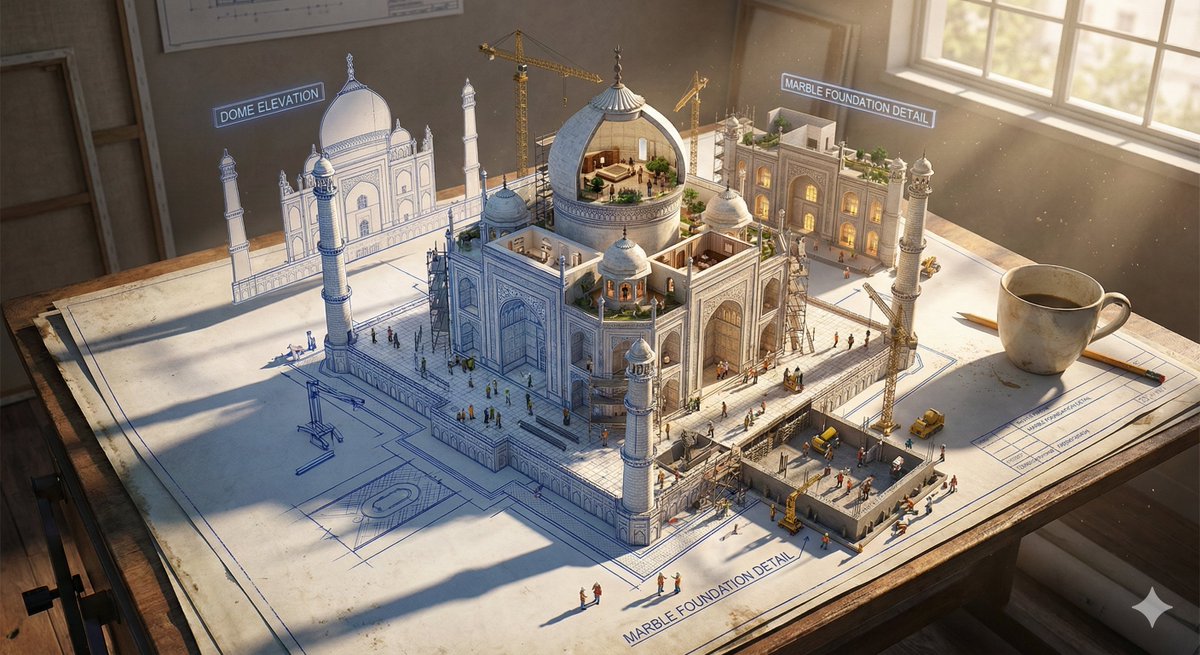
Epic 3D scene: a massive architectural blueprint of [Name] pinned to a drafting table, its ink lines rising off the paper into fully realized construction. Blue lines become steel beams mid-weld, floor plans inflate into furnished rooms, elevation drawings push outward into facades with working windows. Construction phases coexist simultaneously: foundation being poured in one corner while the penthouse is already inhabited in another. Tiny workers, cranes, and scaffolding swarm the rising structure. The flat drawing and the living building merge at impossible angles. Technical annotations float as dimensional signage. Architect's coffee cup sits at the edge, casting shadow across unbuilt sections. Extreme scale contrast, construction dust catching afternoon light, 8K, photorealistic.

使用角色设定图作为视觉参考。在整个视频中保持新娘的面部特征、发型、礼服、身体比例和配饰完全一致。16:9 横屏。 0–3 秒 — 逃跑 教堂婚礼正在进行中,新娘突然冲出巨大的教堂大门,手里还拿着捧花,沿着台阶狂奔而下。她的表情坚定但兴奋得有些滑稽。头纱和裙摆在身后疯狂飞舞。摄像机在她前方快速后退跟拍。背景中出现几位困惑的婚礼宾客,意识到发生了什么。 3–5 秒 — 奔向汽车 她看到一辆鲜红色的 1950 年代复古跑车停在路边。她在奔跑时踢掉了一只白色高跟鞋,然后扑向驾驶座车门。快速的甩镜头(whip-pan)跟随她的动作。 5–8 秒 — 疾驰而去 她跳进车里,猛关车门,启动引擎并以惊人的速度疾驰而去。轮胎发出尖叫声,冒出一小团烟雾,长长的白色头纱被夹在正在关闭的车门里,戏剧性地在车后飘扬。捧花落在副驾驶座上。 8–11 秒 — 混乱 快速的喜剧式内部剪辑: 新娘紧握方向盘大笑 → 头纱在她脸上挥舞 → 捧花在副驾驶座上弹跳 → 另一只高跟鞋在空中飞翔 → 婚礼宾客无助地追赶着远去的汽车。 11–15 秒 — 自由了 动态侧跟镜头拍摄红色汽车在阳光明媚的复古高速公路上飞驰。新娘单手驾驶,完全无忧无虑。她看向后视镜,看到远处的教堂逐渐消失,咧嘴一笑,然后吹出一个巨大的粉色泡泡糖。 最后一帧: 红色汽车驶向地平线,头纱在车后飞扬。 风格:快节奏肢体喜剧,俏皮叛逆的能量,1950 年代美国风情,饱和度的红色复古汽车,奶油色白色婚纱,温暖的金色阳光,电影感复古胶片颗粒,略带绘画感的写实风格,真实的运动效果,充满活力的镜头运动,甩镜头,快速剪辑,夸张但可信的喜剧效果。 重要提示:无慢动作,无悲伤情绪,无戏剧性浪漫,无对话,无文字,无多余新娘,无面部变化,无服装变化,无扭曲的手部,无形变。
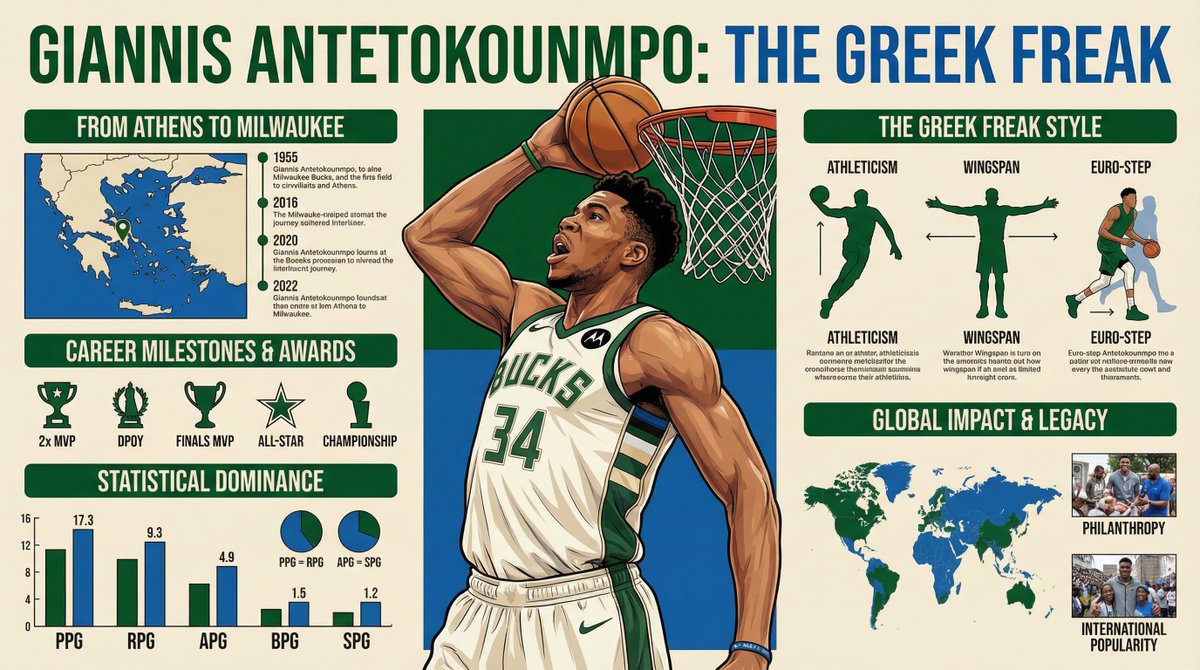
I've asked Nano Banana PRO to generate an infographic of your career. Does that sound good?
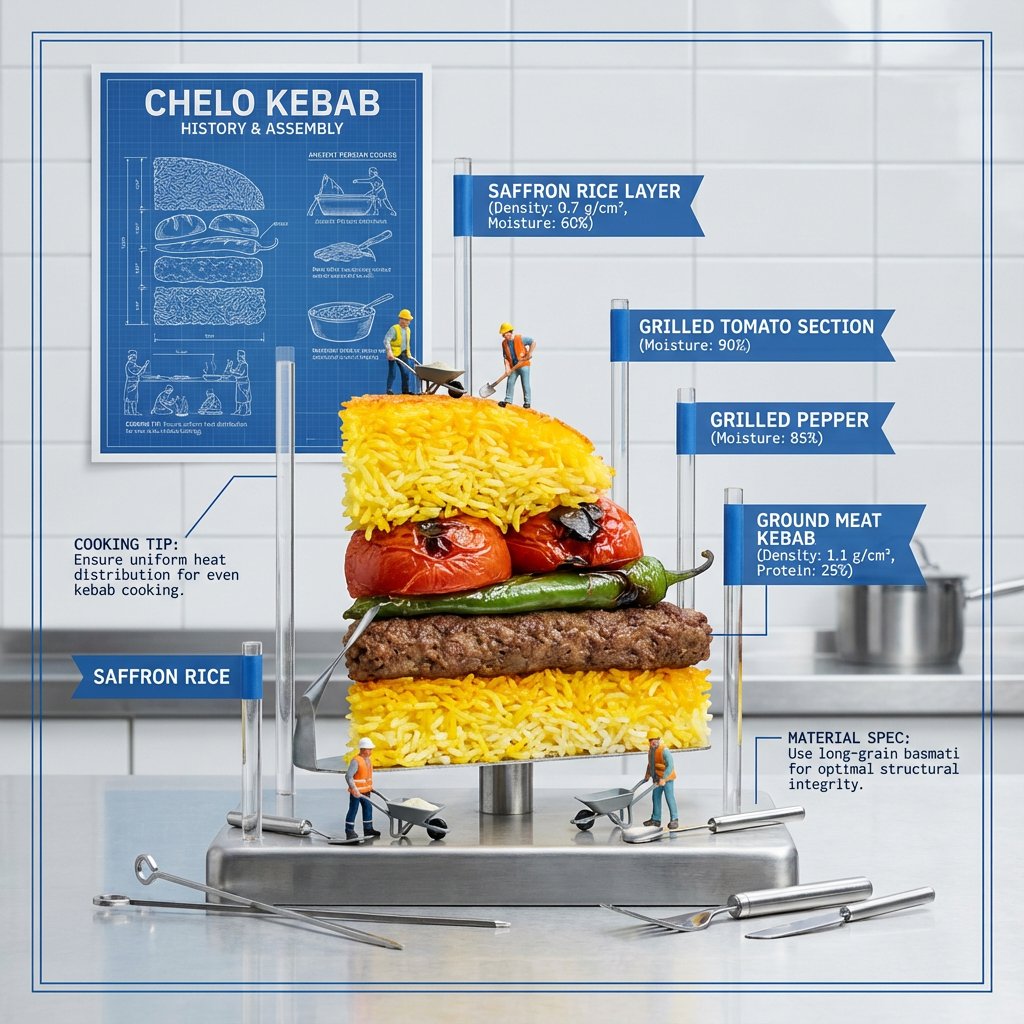
<instructions> Input A: Any layered/textured dish (e.g., {argument name="layered dish" default="lasagna, baklava, mille-feuille, biryani"}) Input B: Anatomical model / architectural blueprint Goal: Half-eaten slice displayed like an architectural model with each layer labeled, showing structural engineering and material science of cooking. Rules: Dish cut in perfect cross-section, standing upright Acrylic rods with flags labeling each layer Only food relevant call outs and measurements Food relevant background Miniature construction workers on layers History of the meal visualized on a poster on the wall Cooking tips notes Material specifications (density, moisture content) Foundation layer with no label Include tiny food tools Technical drawing aesthetic with white and blue Output: ONE image, technical photography, clean industrial lighting, 4:5 ratio </instructions>
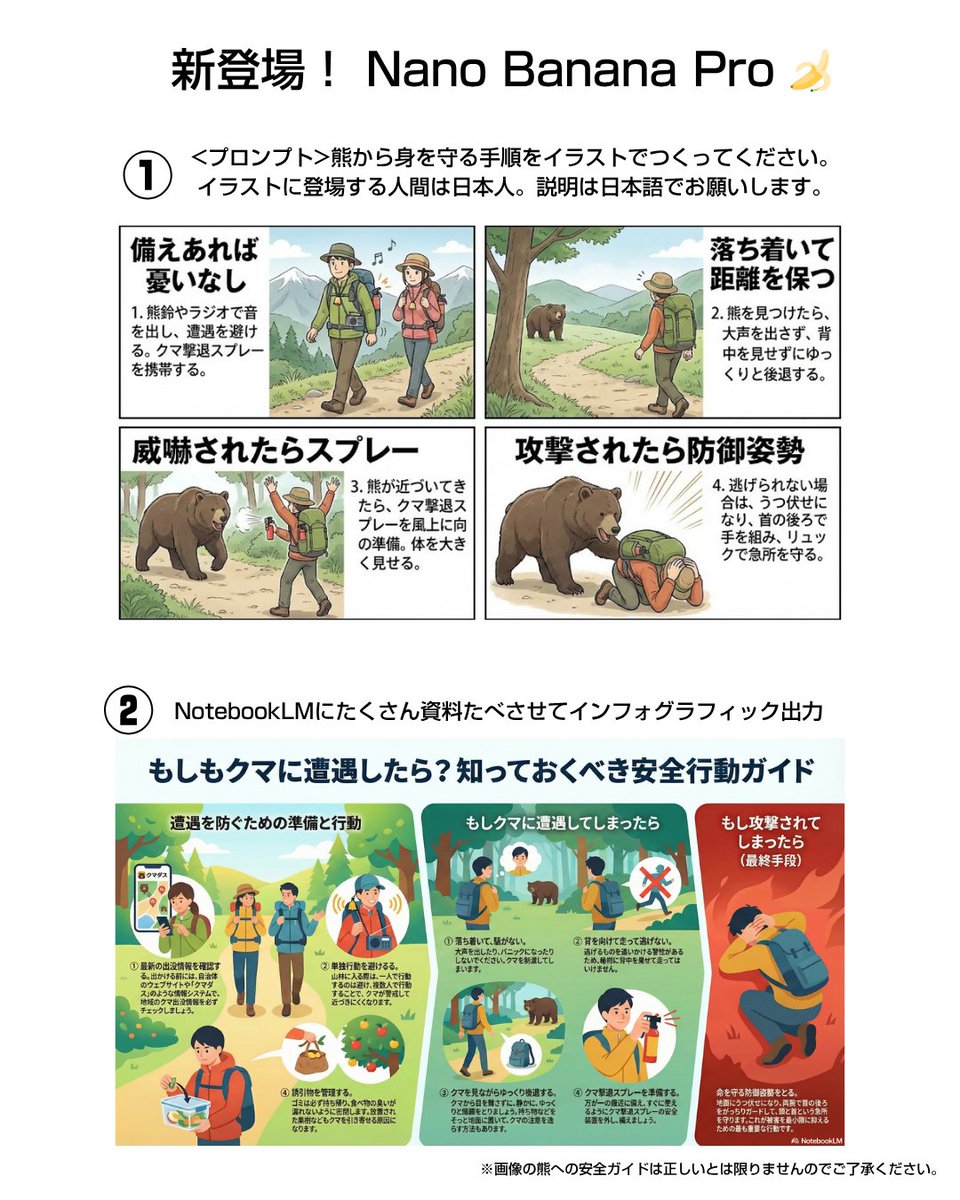
Please create illustrations that show the procedures for protecting yourself from bears. The people appearing in the illustrations should be Japanese. Please provide the explanations in Japanese.
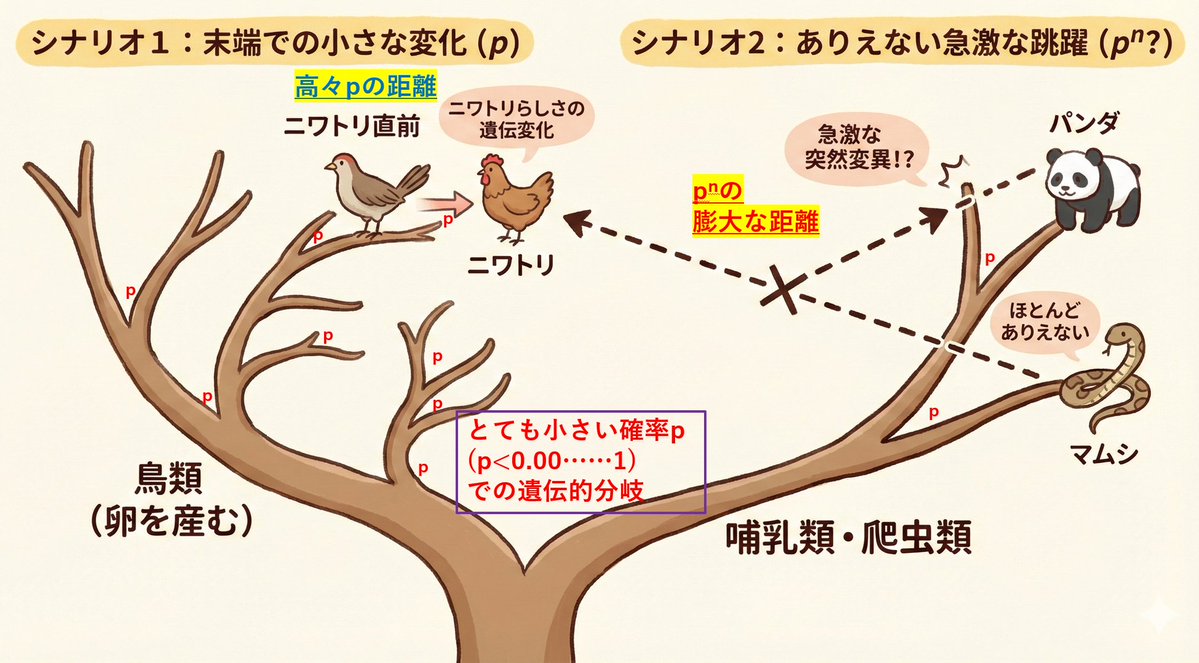
Visually express the concept that 'it's easy to become a chicken starting just before being a chicken,' and 'it's extremely difficult to become a chicken starting from a panda or a viper.'
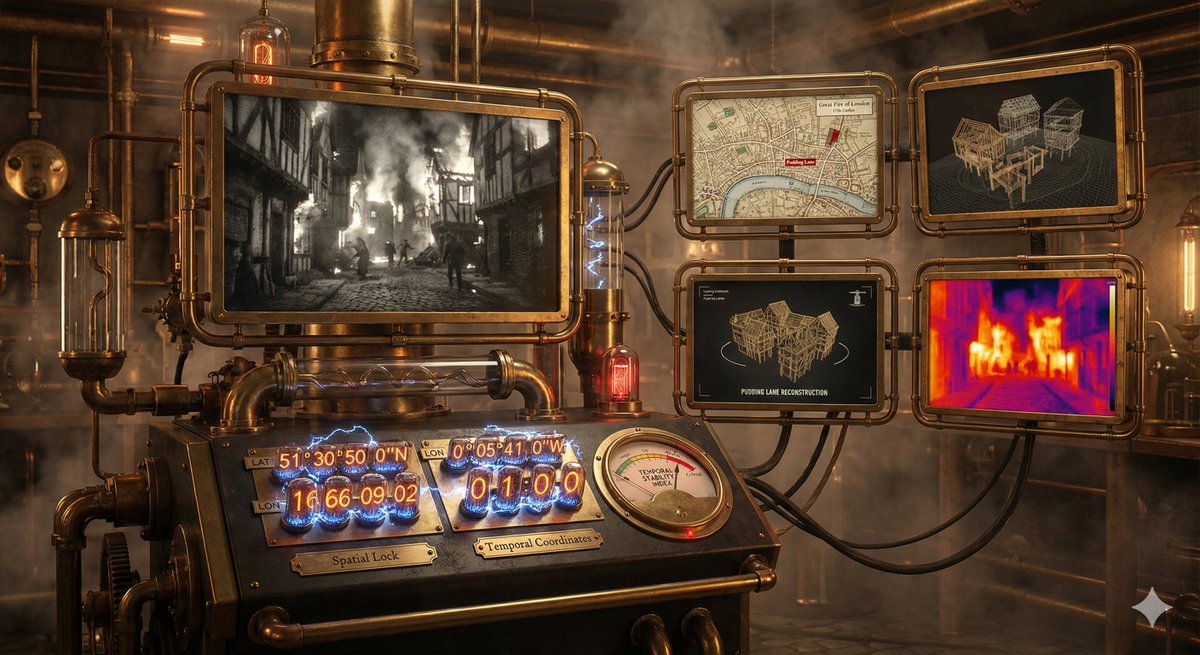
A time-observing machine. Just specify the date, time, and coordinates, and the prompt does the rest, including event finding, 3D reconstruction and thermal analysis.
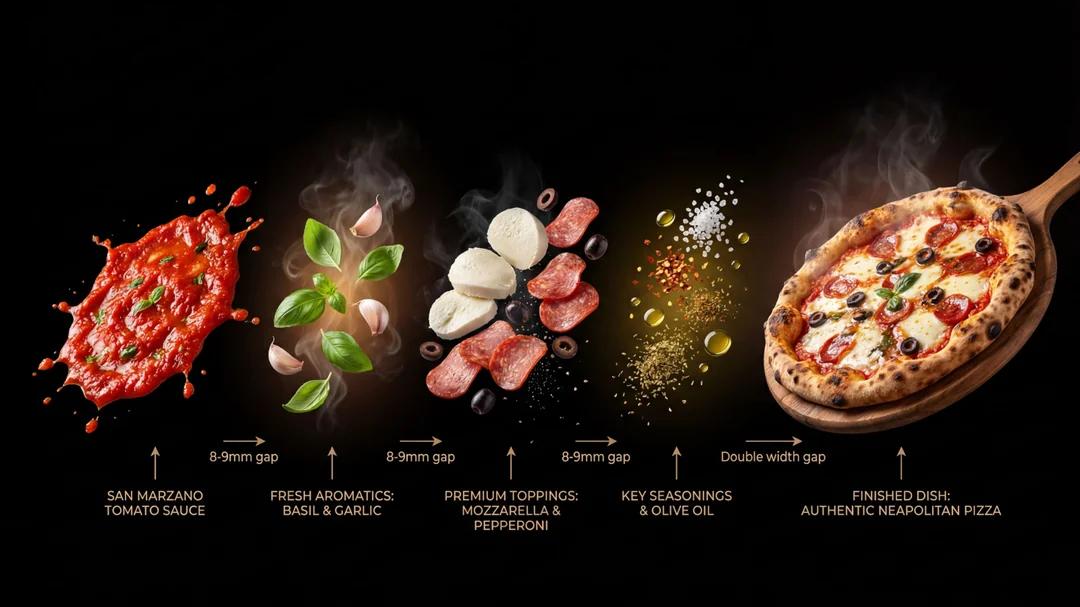
{argument name="dish name" default="Tiramisu"}], [vertical] arrangement, premium culinary promotional poster with pure black background (#000000), presenting a deconstructed layered display of this dish. Arranged from top to bottom or left to right following the cooking sequence. Visual Structure: 5-7 layers, showcasing the complete deconstruction from raw ingredients to finished dish. One end features sauce or seasoning liquid, middle layers include aromatics, main ingredients, and key seasonings, with the finished dish at the other end. Each layer separated by appropriate spacing to highlight textures and details; the finished dish layer maintains significantly larger gap from adjacent layers to create dramatic final presentation. Ingredient Textures: - Sauce layer: Showcase clean, premium sauces or seasonings - Aromatics layer: Vibrant colors, floating weightlessly, emanating warm fragrance, tangibly realistic texture - Main ingredient layer: Clear textures, distinct layers, showcasing natural grain of premium ingredients, fresh and dewy - Seasoning layer: Crystal clear, well-defined granules, warm luster - Finished dish layer: Glossy and appetizing, tender texture, coated in rich sauce, surface slightly trembling, steam rising, aroma seemingly penetrating the frame. The finished dish should be slightly larger than other decomposed layers Visual Style: - All elements floating against pure black background, no white base or platform - Uniform 45-degree angle photography, highly realistic style - Finished dish placed in appropriate vessel, consistent angle with decomposed layers above Annotations: Elegant labels with refined arrows pointing to each component, labeling each layer's ingredients or seasonings. Atmosphere Details: - Transition zones feature subtle floating wisps of steam, oil droplets, and spice particles gently descending, enhancing dynamism and authentic cooking atmosphere - Soft highlights near finished dish, echoing the glossy sheen of ingredients and glaze-like quality of the sauce
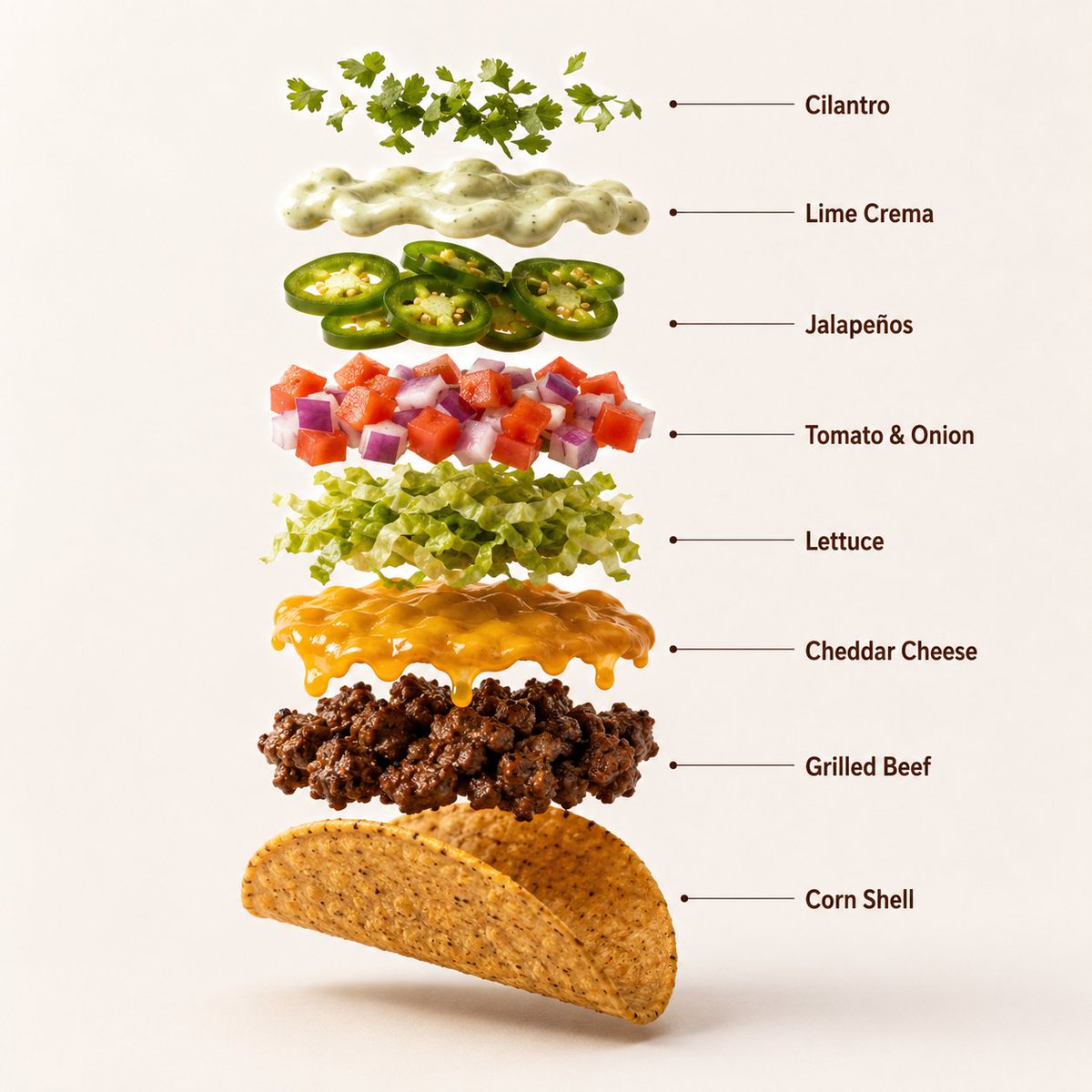
一张高质量的专业产品摄影照片,展示了三个摆放整齐的优质牛肉塔可,置于深色陶瓷盘中,背景为温暖的赤陶橙色无缝影棚背景。每个塔可均采用酥脆的金黄色玉米饼皮,内馅包含多汁的调味烤牛肉、融化的切达干酪、新鲜的生菜丝、番茄丁、紫洋葱、墨西哥辣椒片和奶油青柠酱。牛肉呈现出逼真的烧烤纹理和细微的焦痕,蔬菜看起来新鲜且充满自然光泽。柔和的电影级影棚灯光在盘底营造出丰富的亮部和柔和的阴影。超清晰对焦,单反微距美食摄影,高端墨西哥快餐广告风格,超写实,简洁的商业构图,8K 分辨率。长宽比:1:1。创作一张超写实的优质牛肉塔可垂直爆炸图信息图。从上到下的结构:新鲜香菜装饰 → 青柠奶油酱 → 墨西哥辣椒片 → 番茄洋葱丁 → 生菜丝 → 融化的切达干酪 → 调味烤牛肉 → 酥脆玉米饼皮。每个元素必须完美居中、间距均匀且垂直对齐。展示逼真的烤牛肉纹理、融化的奶酪、清脆的蔬菜、新鲜香草、奶油酱以及细节丰富的酥脆玉米饼皮。使用温暖的赤陶橙色无缝影棚背景,柔和的商业灯光,每个悬浮元素下方带有细微的真实阴影,超清晰单反微距美食摄影,高端快餐信息图美学,简洁的专业构图,超写实,8K 分辨率。添加简洁的极简主义信息图文字标签,并使用细指示线,标签内容如下:“香菜 (Cilantro)”、“青柠奶油酱 (Lime Crema)”、“墨西哥辣椒 (Jalapeños)”、“番茄洋葱 (Tomato & Onion)”、“生菜 (Lettuce)”、“切达干酪 (Cheddar Cheese)”、“烤牛肉 (Grilled Beef)”、“玉米饼皮 (Corn Shell)”。长宽比:1:1。塔可开始缓慢旋转,同时配料精确而轻柔地分离,保持对齐和比例。动作流畅、诱人且受控,无任何额外特效。
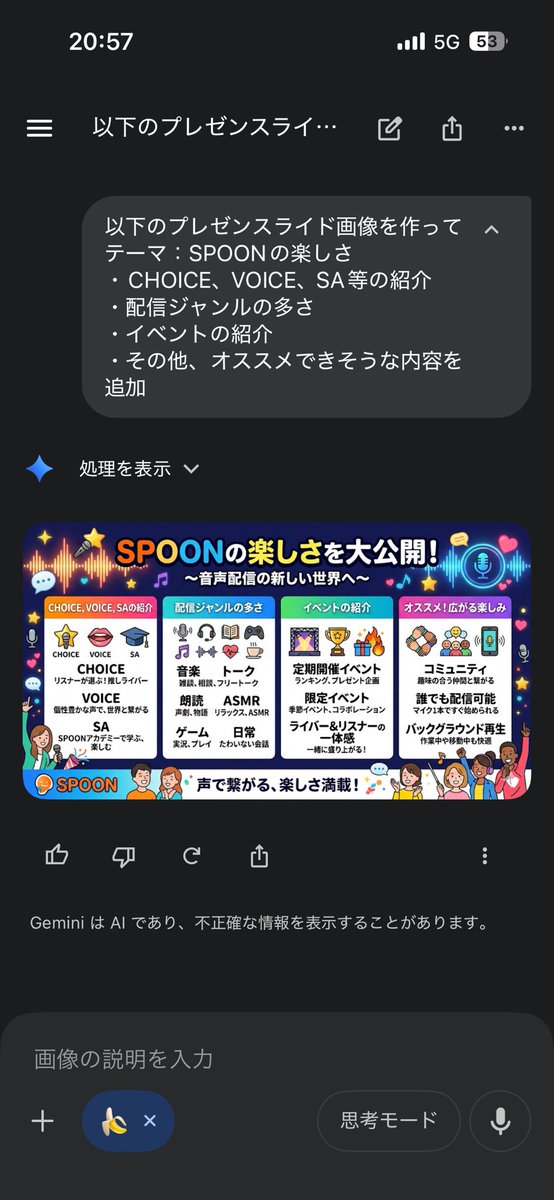
Create the following presentation slide image Theme: ・ ・ ・ ・ * Add other recommended content
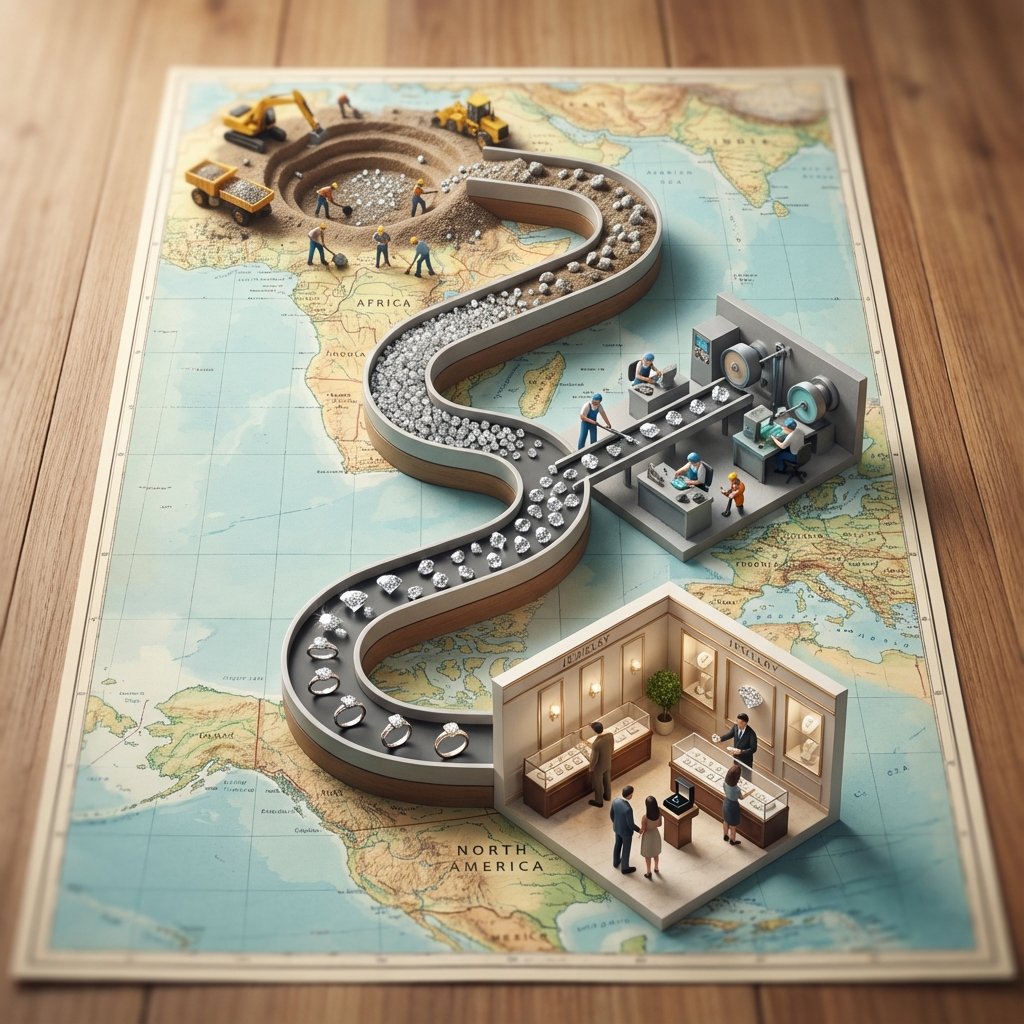
<instruction> 1. Analyze Input Variable: Input A is a Global Commodity with a distinct production lifecycle (e.g., Coffee, Chocolate/Cocoa, Wine, Denim/Cotton). Deconstruct the lifecycle into 3 Distinct Stages : Stage 1 (The Origin): The agricultural source (e.g., Coffee Plantation, Cacao Trees). Stage 2 (The Process): The industrial transformation (e.g., Roasting Plant, Fermentation Vats). Stage 3 (The Destination): The retail experience (e.g., A Hipster Cafe, A Chocolatier Shop). 2. Container (The Map Table): Goal: A "Seed to Shelf" Flowchart Diorama. The Base: A large, vintage World Map (blue oceans, pastel continents) laid flat on a wooden dining table. The Spine: A raised, winding S-Shaped Chute/Conveyor snakes through the center of the image, physically connecting the three stages. The Flow: The chute is filled with the product, which visually transforms as it moves down the path (e.g., Red Coffee Cherries at the top → → Brown Roasted Beans in the middle → → Fine Ground Powder at the bottom). 3. The Vignettes (The Stations): Construct a 3D diorama "Island" at each key point of the S-curve: Top Station (Origin): A square patch of terrain sitting on the map (e.g., South America). Detailed crops, trees, and farmers harvesting the raw material. Middle Station (Process): A compact industrial facility sitting on the map (e.g., Europe/USA). Metallic roasters, silos, smoke stacks, and factory workers. Bottom Station (Destination): An architectural Cutaway Box. The front wall is removed to reveal the interior of a shop (e.g., Espresso machines, tiny customers sitting at tables, baristas serving). 4. The Narrative Scale (The Workers): Scale: 1:87 (HO Scale) miniature figures. Action: The figures are not just standing; they are actively moving the product from the "Station" into the "Chute" (e.g., Farmers dumping baskets of cherries into the stream, Factory workers shoveling beans). 5. Lighting & Atmosphere: Camera Angle: High-Angle Perspective (45-60 degrees). Looking down the length of the table. Lighting: Natural Daylight. Bright, cheerful, and even. Shadows fall softly on the map. Depth of Field: Tilt-Shift effect. The top and bottom edges of the table are slightly blurred to make the models look tiny. Output: ONE image, Vertical Aspect Ratio (4:5), Miniature Photography, Educational Diorama aesthetic. </instruction>
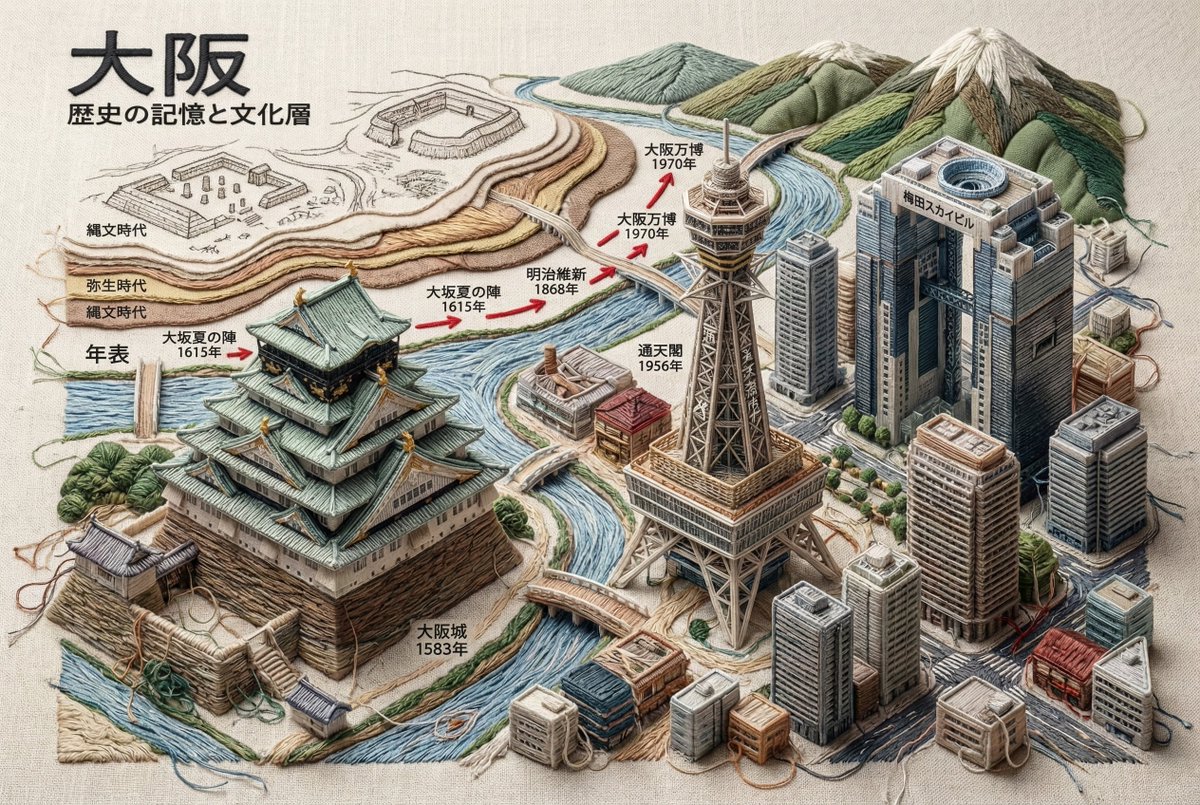
Ultra-realistic 3D Isometric Cityscape Embroidery - Complete Textile Art ^^^^^^^^^^^^^^^^^^ A textile masterpiece depicting the historical memory, cultural layers, architectural evolution, and current identity of **{argument name="city name" default="[Enter City Name]"}**, where all architectural structures are entirely constructed using embroidery and weaving techniques. The entire scene exists on a base of linen or raw canvas fabric. 🚫 Absolute Material Rules (Important) ❌ Forbidden Materials: Stone, concrete, metal, glass, wood, plastic ✅ Allowed Materials: Embroidery thread, bundles of thread, fabric folds, textile padding, layered stitching, knots, seams, weaving textures only Core Concept - Architecture as Textile Sculpture Architecture is interpreted as sculptural embroidery. Volume is created by: Extreme relief embroidery (high-relief stumpwork) Vertically stacking thick bundles of thread Multiple overlapping stitch directions Soft padded fabric cores completely wrapped in thread ⚠️ Structure must appear physically sewn, not modeled. Thread Density and Hand-Made Imperfection - Mandatory All architectural forms must have densely layered thread and heavy-looking seams. ✅ Structures should look: Over-embroidered Carefully crafted stitch by stitch Slightly imperfect Hand-made Edges and Thread Behavior - Mandatory All buildings, monuments, and woven structures must include the following elements: ✅ Mandatory Elements: Visible frayed thread ends Frayed embroidery edges Microscopic thread fibers extending from seams Slightly undone stitch tips at corners Edge Characteristics: Soft, sewn, fiber-based feel Organic, sewn contours with hanging threads Tactile edges ❌ Forbidden: Sharp edges Perfect contours Clean 3D shapes ⚠️ Important: Buildings must never give a rigid impression. All corners are: Separated by stitching Softened by overlapping thread Slightly rounded by fabric tension Thread knots, stitch junctions, and small thread ends are visible Handmade Authenticity Rule The entire scene must feel: Handmade Tactile Created in a textile atelier ✅ Acceptable Features: Slight variations in stitch tension Differences in thread thickness Subtle unevenness in placement ❌ Forbidden: Perfect symmetry Embroidery Content Section (Mandatory) 1. City Identity and Geographical Location City name in thread embroidery Geographical location via stitched map contours Strategic importance as a stitched annotation Trade routes via thread flow Embroidered compass and edge annotations 2. Iconic Buildings and Construction Dates Name, construction year, civilization, function Flat contour stitching with adjacent embroidered date tags Layered, 3D embroidered architectural forms completely constructed with thread 3. Historical Layers and Ancient Civilizations Example: Ancient, Medieval, Early Modern, Modern Delicate sketch embroidery Semi-relief remnants Layered textile forms 4. Major Events and Important Dates - Chronology Founding, wars, disasters, reconstruction, modernization, etc. Timeline embroidered with thread Stitch direction arrows Major dates in red thread 5. Current City - Complete 3D Embroidery Only Bridges, towers, silhouettes Modern architecture Visual Continuity Rule - Absolute ✅ Mandatory: All thread flow must seamlessly connect structures, dates, symbols, and the modern cityscape. ⚠️ Important: The city must appear as a single, continuous piece of embroidered fabric. Lighting and Technical Specifications Lighting: Soft atelier lighting Side light highlighting raised embroidery Realistic textile shadows Technical Specifications: 8K resolution Cinematic depth of field Unreal Engine 5 rendering Museum-quality textile realism Ultra-detailed thread texture Text Language Rule - Mandatory All text elements displayed in the generated image must be written in Japanese. Target Text: City name Historical periods and civilizations Building names and construction dates Cultural annotations and symbolic meanings Map annotations and geographical descriptions Chronology events and stitched labels Museum-style annotations and sketch annotations ❌ Forbidden: English, foreign languages, or mixed-language text ✅ Mandatory: Only correct, legible, and context-appropriate Japanese embroidered text Visibility Rule for Textile Base - Absolute (Important) The embroidery must be unmistakably stitched onto a visible fabric surface. Mandatory features of the underlying fabric: Linen, raw cotton, or coarse canvas Visible fabric weave (warp and weft clearly identifiable) Natural fabric slubs, fiber irregularities, and fabric tension Slight fabric wrinkles, folds, and creases caused by stitching 🚫 Forbidden: Floating embroidery Digital relief Sculpted objects ✅ Mandatory: All stitches, structures, and thread masses are visibly fixed to the fabric surface Pulled through and penetrating the fabric surface Mandatory Fabric Interaction Details The fabric surface slightly warps due to stitch tension Pulling the thread creates subtle depressions and raised areas Needle entry and exit points are implied by stitch behavior The fabric texture remains visible between dense embroidery areas Excess Thread and Thread End Rule - Absolute (Important) All three-dimensional embroidered elements must show visible thread excess and unfinished thread behavior. Mandatory for all 3D objects (buildings, monuments, bridges, towers, terrain, symbols, relief text elements): ✅ Mandatory Features: Loose thread ends protruding from the surface Excess thread ends coming out of stitch junctions Small loops and overlaps of thread that are not fully tightened Slightly tangled or overlapping clumps of thread at corners and stress points Occasional hanging thread tips casting soft textile shadows 🚫 Forbidden: Neatly finished embroidery Hidden or perfectly trimmed thread ends Machine-perfect finished stitches Smooth, sealed, or sculpted surfaces Enforcement of Craft Authenticity Thread ends must look: Handmade In progress The work of a craftsman finishing a textile piece ✅ Acceptable Features: Thread ends with slightly uneven length, direction, or tension Rendering Keywords Ultra-high density embroidery, overstitched textile structures, visible loose threads, frayed stitch ends, hand-sewn 3D textile structures, tactile fiber realism, stitched volume (not shape), thread-composed shapes Note: This guideline is a strict standard for creating museum-quality artwork composed entirely of textiles. All rules are absolute, with no exceptions.

Imagine a {argument name="subject" default="[subject]"} through a microscope; picture it and create an ultra-realistic sharp image. No microscope parts, only subject.
部分提示词收录自 X 平台创作者,版权归原作者所有。